Claims succeed on evidence. A home inventory turns memory into proof adjusters accept.
Why inventories fail when needed
People write vague lists — "TV, sofa, clothes" — without brands, models, or values. After total loss, stress erases detail. Insurers ask for proof of ownership and value; receipts and serial numbers answer that question.
The room-by-room method
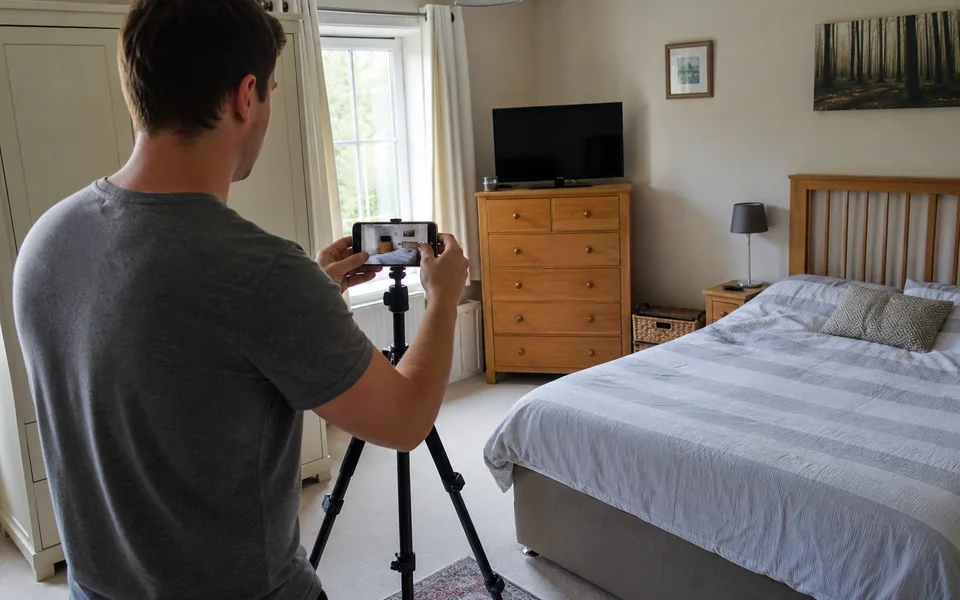
Walk each room slowly. Photograph walls, cupboards open, serial labels, and jewellery with scale reference. Dictate notes to your phone: item, approximate purchase year, price if known. One weekend covers most flats; houses may take two sessions.
Where to store copies
Cloud storage, email to yourself, or encrypted USB kept off-site. Share access with a trusted relative. Update after Christmas, birthdays, or major purchases — set a quarterly phone reminder.
| Item type | Evidence that works |
|---|---|
| Electronics | Serial photo, order email, bank statement |
| Jewellery | Valuation certificate, dated photo on insurer file |
| Furniture | Delivery note, credit card line, wide room photo |
| Bikes | Frame number photo, lock receipt, shop invoice |
Listing high-value items separately
Policies cap single items unless specified. Tell your insurer about watches, art, or instruments above the limit — pay a small premium increase rather than discover the cap at claim time.
Adjusters are not sceptical by default; they are bound by paperwork. Give them paperwork.
After theft: order of operations
Police report first, then insurer notification. Do not dispose of damaged entry points before photos. List stolen items from your inventory — gaps are harder to fill retrospectively.
Citizens Advice publishes guidance on making insurance claims.