Your postcode feeds insurer flood models. Knowing your risk before you buy or renew avoids cover gaps and premium shocks.
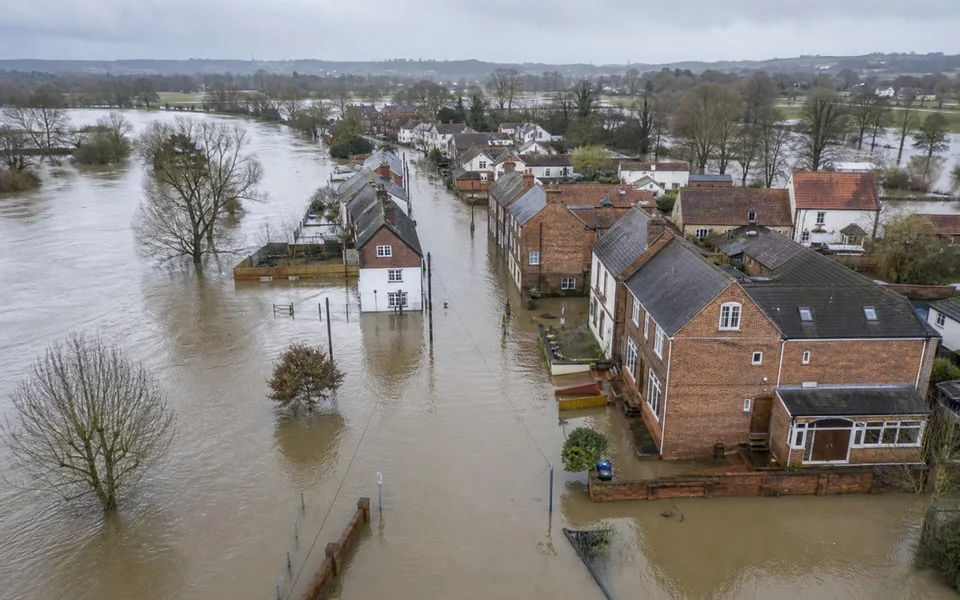
Three flood types insurers distinguish
River flooding from swollen waterways. Coastal flooding from surge and tides. Surface water flooding from intense rainfall overwhelming drains — increasingly common in urban areas. Standard home insurance may treat them differently.
Checks before you commit
Use Environment Agency flood maps for England, Natural Resources Wales, and SEPA for Scotland. Ask the seller or landlord about past flooding. Search local news for street-level incidents — maps alone miss blocked gullies.
Insurance wording to verify
Some policies cover flood but exclude "groundwater" or "rising water table". Others cap flood damage separately. If you are in a flood-prone area, a specialist broker may access markets comparison sites omit.
Mitigation that insurers notice
Flood barriers, air-brick covers, raised electrics, and porous driveways can reduce damage and sometimes premium. Document improvements and tell your insurer — silent upgrades do not help at renewal.
Buying a house without checking surface-water risk is one of the costliest shortcuts on the high street.
After a flood event
Photograph damage before clearing up, keep damaged items where safe, and notify insurer promptly. Temporary accommodation cover may apply if the home is uninhabitable — check limits and time caps.
GOV.UK publishes flood preparation guidance for households.